Hey there! As a pipeline supplier, I've seen firsthand the ins and outs of deploying a pipeline in production. It's not always a walk in the park, but with the right approach, it can be a smooth and successful process. In this blog post, I'll share some tips and insights on how to deploy a pipeline in production effectively.
Understanding the Basics
Before we dive into the deployment process, let's first understand what a pipeline is and why it's important. A pipeline is a system of pipes that transports fluids or gases from one place to another. In the context of production, pipelines are used to move raw materials, intermediate products, and finished goods within a manufacturing facility or between different facilities.
Deploying a pipeline in production involves several key steps, including planning, design, installation, testing, and maintenance. Each step is crucial to ensure the pipeline operates safely and efficiently.


Planning and Design
The first step in deploying a pipeline in production is to plan and design the system. This involves determining the type of pipeline needed, the flow rate and pressure requirements, the materials to be used, and the route of the pipeline.
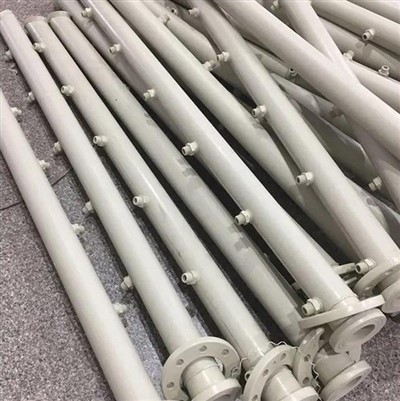
When choosing the type of pipeline, you need to consider the properties of the fluid or gas being transported. For example, if you're transporting a corrosive substance, you'll need to use a pipeline made of a material that can withstand corrosion, such as PPH Spray Pipe. On the other hand, if you're transporting a high-pressure gas, you'll need a pipeline that can handle the pressure.
The flow rate and pressure requirements of the pipeline will depend on the production process and the volume of material being transported. You'll need to calculate these requirements based on the specific needs of your production facility.
The materials used for the pipeline are also important. You'll need to choose a material that is strong, durable, and resistant to corrosion and other environmental factors. Some common materials used for pipelines include steel, plastic, and fiberglass.
Once you've determined the type of pipeline, flow rate, pressure requirements, and materials, you'll need to design the route of the pipeline. This involves considering factors such as the terrain, the location of other infrastructure, and the safety of the pipeline.
Installation
After the planning and design phase, the next step is to install the pipeline. This involves digging trenches, laying the pipes, and connecting them together. The installation process can be complex and time-consuming, so it's important to work with a professional installation team that has experience in pipeline installation.
During the installation process, it's important to ensure that the pipeline is installed correctly and meets all safety standards. This includes ensuring that the pipes are properly aligned, the joints are sealed, and the pipeline is supported properly.
Testing
Once the pipeline is installed, it's important to test it to ensure that it operates safely and efficiently. This involves conducting pressure tests, leak tests, and flow tests to ensure that the pipeline can handle the flow rate and pressure requirements.
During the testing process, it's important to monitor the pipeline closely and make any necessary adjustments. If any issues are detected, they should be addressed immediately to prevent any potential problems.
Maintenance
After the pipeline is installed and tested, it's important to maintain it to ensure that it continues to operate safely and efficiently. This involves regular inspections, cleaning, and repairs.
Regular inspections are important to detect any potential problems early on. This includes checking for leaks, corrosion, and other signs of damage. Cleaning the pipeline is also important to prevent the buildup of debris and other contaminants.
If any issues are detected during the inspection or maintenance process, they should be addressed immediately. This may involve repairing or replacing damaged pipes, valves, or other components.
Conclusion
Deploying a pipeline in production is a complex process that requires careful planning, design, installation, testing, and maintenance. By following these steps and working with a professional installation team, you can ensure that your pipeline operates safely and efficiently.
If you're interested in learning more about our pipeline products, including PP Ducting and PP Coil, or if you have any questions about deploying a pipeline in production, please don't hesitate to contact us. We'd be happy to discuss your needs and provide you with a customized solution.
References
- "Pipeline Engineering Handbook" by William C. Lyons
- "Pipeline Design and Construction: A Practical Approach" by John A. Shigley and Charles R. Mischke
- "Pipeline Integrity Management: A Practical Guide" by John A. Shigley and Charles R. Mischke