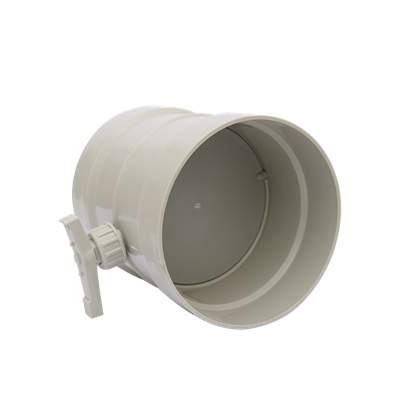
Hey there! I'm a supplier of FRPP pipes, and I'm super stoked to share some tips on how to lay FRPP pipes in agricultural fields. FRPP, or Fiber Reinforced Polypropylene, pipes are a great choice for agricultural applications because they're durable, corrosion-resistant, and can handle a wide range of temperatures.
Planning Your Pipe Installation
Before you start laying your FRPP pipes, you need to do some planning. First, you'll need to figure out where you want to lay your pipes. This will depend on your irrigation needs, the layout of your field, and any existing infrastructure. You'll also need to measure the distance between your water source and the areas you want to irrigate.
Once you have a plan in place, you'll need to gather your materials. You'll need FRPP pipes, fittings, valves, and any other equipment you'll need for the installation. You can find a wide range of Plastic FRPP Pipe on our website, along with Steel-plastic Liner Pipe and Large Diameter FRPP Pipe.
Preparing the Ground
Before you start laying your pipes, you'll need to prepare the ground. This involves clearing the area of any debris, rocks, or other obstacles. You'll also need to level the ground to ensure that your pipes are laid evenly. If you're laying your pipes in an area with a lot of vegetation, you may need to remove the vegetation to prevent it from interfering with the installation.
Once you've cleared and leveled the ground, you'll need to dig a trench for your pipes. The depth of the trench will depend on the type of soil you're working with and the size of your pipes. In general, you'll want to dig the trench to a depth of at least 12 inches. You'll also want to make sure that the trench is wide enough to accommodate your pipes and any fittings.
Laying the Pipes
Once you've prepared the ground and dug your trench, you're ready to start laying your pipes. Start by laying the pipes in the trench, making sure that they're straight and level. You can use a level to ensure that the pipes are laid evenly. You'll also want to make sure that the pipes are connected properly using the appropriate fittings.
When connecting the pipes, you'll need to use a solvent cement to bond the pipes together. Make sure that you follow the manufacturer's instructions when using the solvent cement. You'll also want to make sure that the pipes are clean and dry before applying the solvent cement.
Installing Fittings and Valves
Once you've laid your pipes, you'll need to install any fittings and valves that you'll need for your irrigation system. This may include elbows, tees, couplings, and valves. Make sure that you use the appropriate fittings and valves for your system. You'll also want to make sure that the fittings and valves are installed properly and tightened securely.
Backfilling the Trench
Once you've installed your pipes, fittings, and valves, you're ready to backfill the trench. Start by filling the trench with a layer of sand or gravel to protect the pipes. You'll want to make sure that the sand or gravel is evenly distributed and that it covers the pipes completely.
Once you've added the sand or gravel, you can start backfilling the trench with soil. Make sure that you compact the soil as you go to prevent any air pockets from forming. You'll also want to make sure that the soil is level and that it doesn't cover the pipes too deeply.


Testing the System
Once you've backfilled the trench, you're ready to test your irrigation system. Start by turning on the water and checking for any leaks. You'll also want to make sure that the water is flowing properly through the pipes and that the sprinklers or emitters are working correctly.
If you find any leaks or other problems with your system, you'll need to fix them before you start using the system. You may need to tighten the fittings or replace any damaged pipes or valves.
Maintenance and Care
Once your irrigation system is up and running, you'll need to maintain and care for it to ensure that it continues to work properly. This may include checking the pipes and fittings for leaks, cleaning the sprinklers or emitters, and adjusting the water flow as needed.
You'll also want to make sure that you protect your pipes from damage. This may include covering the pipes with a layer of mulch or straw to protect them from the sun and cold weather. You'll also want to make sure that you don't drive over the pipes or damage them in any other way.
Conclusion
Laying FRPP pipes in agricultural fields is a great way to improve your irrigation system and increase your crop yields. By following these tips, you can ensure that your pipes are installed properly and that your irrigation system works efficiently.
If you're interested in purchasing FRPP pipes for your agricultural field, please don't hesitate to contact us. We offer a wide range of Plastic FRPP Pipe, Steel-plastic Liner Pipe, and Large Diameter FRPP Pipe at competitive prices. We also offer expert advice and support to help you choose the right pipes for your needs.
References
- Agricultural Irrigation Systems: Design and Management, by Larry R. Parsons
- Irrigation and Drainage Engineering, by David A. Bucks and Robert W. Clemmens
- FRPP Pipe Installation Guide, by [Pipe Manufacturer]