What is the insulation performance of a PP storage tank?
As a leading supplier of PP storage tanks, I often get asked about the insulation performance of these tanks. In this blog post, I'll delve into the details of what makes the insulation of PP storage tanks effective, the factors that influence it, and how it benefits various industries.
Understanding PP Storage Tanks
PP, or polypropylene, is a thermoplastic polymer known for its excellent chemical resistance, durability, and relatively low cost. PP storage tanks are widely used in industries such as chemical processing, water treatment, food and beverage, and pharmaceuticals. These tanks are designed to store a variety of liquids, including corrosive chemicals, water, and food products.
Insulation Performance of PP Storage Tanks
The insulation performance of a PP storage tank is crucial for maintaining the temperature of the stored liquid. Proper insulation helps to prevent heat transfer, which can lead to temperature fluctuations and potential damage to the stored contents. Here are some key aspects of the insulation performance of PP storage tanks:
Thermal Conductivity
PP has a relatively low thermal conductivity compared to other materials, which means it is a good insulator. This property allows PP storage tanks to reduce heat transfer between the stored liquid and the surrounding environment. The lower the thermal conductivity, the better the insulation performance.
Insulation Materials
In addition to the inherent insulation properties of PP, additional insulation materials can be used to enhance the insulation performance of the tank. Common insulation materials include foam, fiberglass, and mineral wool. These materials are applied to the exterior of the tank to provide an extra layer of insulation.
Design and Construction
The design and construction of the PP storage tank also play a significant role in its insulation performance. Tanks with a double-wall design, for example, provide better insulation than single-wall tanks. The space between the two walls can be filled with insulation material, further reducing heat transfer.
Factors Affecting Insulation Performance
Several factors can affect the insulation performance of a PP storage tank. These include:


Temperature Difference
The greater the temperature difference between the stored liquid and the surrounding environment, the more heat transfer will occur. Therefore, it is important to consider the temperature requirements of the stored liquid and the ambient temperature when designing and insulating the tank.
Tank Size and Shape
The size and shape of the tank can also affect its insulation performance. Larger tanks have a greater surface area, which means more heat transfer can occur. Additionally, tanks with irregular shapes may be more difficult to insulate effectively.
Insulation Thickness
The thickness of the insulation material used on the tank can significantly impact its insulation performance. Thicker insulation provides better insulation, but it also increases the cost and weight of the tank.
Benefits of Good Insulation Performance
A PP storage tank with good insulation performance offers several benefits, including:
Energy Savings
By reducing heat transfer, the insulation helps to maintain the temperature of the stored liquid, which can lead to significant energy savings. This is particularly important for industries that require precise temperature control.
Product Quality
Maintaining a consistent temperature is crucial for the quality and integrity of the stored liquid. Good insulation helps to prevent temperature fluctuations, which can affect the chemical properties and stability of the product.
Safety
Insulation can also enhance the safety of the tank by reducing the risk of heat-related accidents. For example, it can prevent the tank from overheating, which could lead to a fire or explosion.
Related Products for PP Storage Tanks
In addition to the PP storage tanks themselves, we also offer a range of related products that can enhance the performance and functionality of the tanks. These include:
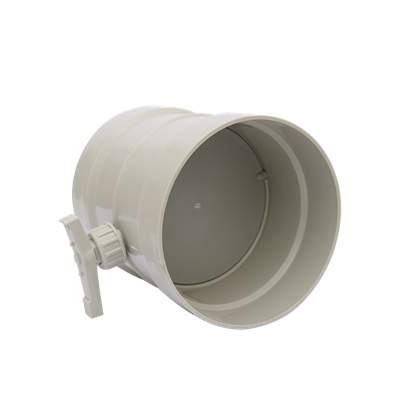
- PP Manual Air Valve: This valve is used to control the flow of air in and out of the tank, which can help to maintain the pressure inside the tank.
- PP Large-diameter Elbow: These elbows are used to change the direction of the flow of liquid in the tank, which can be useful for connecting different parts of the tank or for routing the liquid to different locations.
- PP Reducer: Reducers are used to connect pipes of different diameters, which can be useful for adjusting the flow rate of the liquid in the tank.
Conclusion
In conclusion, the insulation performance of a PP storage tank is an important factor to consider when choosing a tank for your application. By understanding the factors that affect insulation performance and the benefits of good insulation, you can make an informed decision about the type of tank and insulation materials that are best suited for your needs. If you have any questions or would like to discuss your specific requirements, please don't hesitate to contact us. We are here to help you find the right solution for your storage needs.
References
- "Polypropylene: Properties, Processing, and Applications" by M. P. Stevens
- "Insulation Materials and Systems" by R. M. Wing
- "Thermal Insulation Handbook" by A. K. Dutta