Can frpp pipe fittings be used in pharmaceutical piping systems?
Hey there! As a supplier of FRPP pipe fittings, I often get asked whether our products can be used in pharmaceutical piping systems. Well, let's dive right into it and explore this topic.
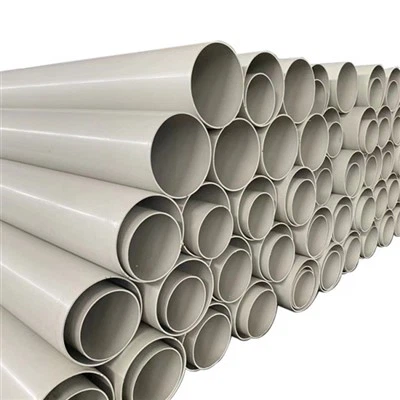
First off, what are FRPP pipe fittings? FRPP stands for Fiber Reinforced Polypropylene. These fittings are known for their excellent chemical resistance, high strength, and durability. They're made from a blend of polypropylene resin and glass fibers, which gives them enhanced mechanical properties compared to regular polypropylene.
Now, when it comes to pharmaceutical piping systems, there are some strict requirements. The materials used need to be non - reactive with the pharmaceutical products being transported. They should also be able to withstand the cleaning and sterilization processes that are common in the pharmaceutical industry.
One of the key advantages of FRPP pipe fittings is their chemical resistance. Pharmaceutical processes often involve the use of various chemicals, such as acids, bases, and solvents. FRPP fittings can resist the corrosive effects of many of these chemicals, which means they won't contaminate the pharmaceutical products flowing through the pipes.
For example, in a pharmaceutical manufacturing plant, they might use strong acids to clean the pipes between production runs. FRPP pipe fittings can handle these acidic solutions without degrading or leaching any harmful substances into the product.


Another important aspect is the ability to withstand high temperatures. In pharmaceutical processes, pipes may need to be sterilized using steam or hot water. FRPP pipe fittings have a relatively high heat - deflection temperature, which allows them to maintain their shape and integrity even under high - temperature conditions.
Let's talk about the different types of FRPP pipe fittings that could be used in pharmaceutical piping systems. We have the FRPP Threaded Joint. These joints are easy to install and provide a secure connection between pipes. They're great for situations where you need to make quick connections or disconnections, like during maintenance or equipment upgrades.
Then there's the FRPP Backing Ring. This type of fitting is used to provide additional support and stability to the pipe joints. In a pharmaceutical piping system, where precision and reliability are crucial, the backing ring helps ensure that the joints don't leak or come apart under pressure.
The FRPP Loose Joint is also a popular choice. It allows for some flexibility in the piping system, which can be useful when dealing with thermal expansion or minor misalignments. This flexibility helps prevent stress on the pipes and fittings, reducing the risk of leaks and failures.
However, it's not all sunshine and rainbows. There are some potential challenges when using FRPP pipe fittings in pharmaceutical piping systems. One of the main concerns is the potential for static electricity buildup. In a pharmaceutical environment, static electricity can cause problems such as attracting dust and particles, which could contaminate the products. To mitigate this, special anti - static coatings or additives can be used on the FRPP fittings.
Another issue is the need for proper installation. If the FRPP pipe fittings are not installed correctly, it can lead to leaks or other problems. It's important to follow the manufacturer's installation guidelines and use the appropriate tools and techniques.
In addition, regulatory compliance is a big deal in the pharmaceutical industry. Before using FRPP pipe fittings in a pharmaceutical piping system, it's essential to ensure that they meet all the relevant industry standards and regulations. This might involve getting certifications from organizations such as the FDA (Food and Drug Administration) in the United States or the European Pharmacopoeia in Europe.
Despite these challenges, many pharmaceutical companies are starting to recognize the benefits of using FRPP pipe fittings. They offer a cost - effective and reliable solution for transporting pharmaceutical products. And as technology advances, the performance of FRPP fittings is only going to get better.
If you're in the pharmaceutical industry and are considering using FRPP pipe fittings for your piping system, I'd highly recommend reaching out to us. We have a team of experts who can help you determine the best type of fittings for your specific needs. We can also provide you with detailed information about the installation process and any regulatory requirements.
In conclusion, FRPP pipe fittings can definitely be used in pharmaceutical piping systems, but it's important to be aware of the potential challenges and take the necessary steps to ensure their proper use. With the right approach, these fittings can offer a great solution for your pharmaceutical piping needs.
So, if you're interested in learning more about our FRPP pipe fittings or have any questions, don't hesitate to contact us. We're here to help you make the best decision for your pharmaceutical piping system.
References:
- Industry reports on pharmaceutical piping materials
- Manufacturer's specifications for FRPP pipe fittings
- Regulatory guidelines for pharmaceutical piping systems