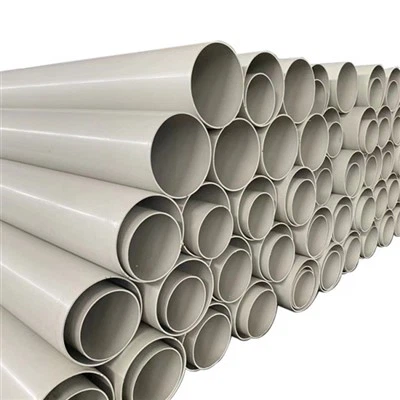
Selecting the right PE (Polyethylene) pipe for a project is a critical decision that can significantly impact the success and longevity of the infrastructure. As a PE pipe supplier, I understand the complexities involved in this process and am here to guide you through the key considerations.
Understanding the Basics of PE Pipes
PE pipes are widely used in various applications due to their numerous advantages. They are known for their flexibility, durability, and resistance to corrosion. These pipes come in different types, each with its own set of properties and suitable applications.
One of the common types is the PE Coiled Pipe. This type of pipe is highly flexible and can be easily coiled, making it ideal for projects where long lengths of pipe are required without joints. It is often used in irrigation systems, gas distribution, and telecommunications.
Another popular option is the White PE Pipe. White PE pipes are typically used in applications where aesthetics are important, such as in building plumbing systems. They are also resistant to UV radiation, which makes them suitable for outdoor use.
The Pe Polyethylene Pipe is a general - purpose pipe that can be used in a wide range of applications. It is available in different grades, each designed to meet specific requirements in terms of pressure, temperature, and chemical resistance.
Factors to Consider When Choosing PE Pipes
1. Application
The first step in choosing the right PE pipe is to determine the application. Different applications have different requirements. For example, if you are using the pipe for water supply, you need to ensure that the pipe is made from food - grade polyethylene to meet health and safety standards. If it is for sewage or drainage, the pipe should have good chemical resistance to withstand the corrosive nature of the wastewater.
In irrigation systems, the flexibility of the pipe is crucial. Coiled PE pipes are a great choice as they can be easily laid out in the field without the need for multiple joints, reducing the risk of leaks. For gas distribution, the pipe must be able to withstand high pressures and have excellent gas - tightness.
2. Pressure Rating
The pressure rating of the PE pipe is an important factor. It indicates the maximum pressure that the pipe can safely handle. You need to consider the operating pressure of your system when selecting the pipe. If the pressure rating is too low, the pipe may burst or develop leaks under normal operating conditions. On the other hand, choosing a pipe with a much higher pressure rating than necessary can be costly.
The pressure rating of a PE pipe is determined by its material grade and wall thickness. Higher - grade materials and thicker walls generally result in a higher pressure rating. For example, PE100 is a high - density polyethylene material that can withstand higher pressures compared to PE80.
3. Size and Diameter
The size and diameter of the pipe are also crucial. The diameter of the pipe affects the flow rate of the fluid or gas passing through it. A larger diameter pipe allows for a higher flow rate, but it may also be more expensive and require more space for installation.
You need to calculate the required flow rate based on the application and then select the appropriate pipe diameter. For example, in a water supply system for a large building, a larger diameter pipe may be needed to ensure an adequate water supply to all the fixtures.
4. Environmental Conditions
The environmental conditions where the pipe will be installed play a significant role in the selection process. If the pipe is to be installed underground, it needs to be able to withstand the pressure from the soil and any potential ground movement. UV - resistant pipes are required for outdoor installations to prevent degradation from sunlight.


In areas with extreme temperatures, the pipe material should have good thermal stability. For example, in cold climates, the pipe should not become brittle and crack. In hot climates, it should not soften or deform under high temperatures.
5. Joining Method
The joining method of the PE pipes is another important consideration. There are several joining methods available, such as butt fusion, electrofusion, and mechanical joints. Each method has its own advantages and disadvantages.
Butt fusion is a commonly used method for joining PE pipes. It creates a strong, leak - proof joint by heating the ends of the pipes and then fusing them together. Electrofusion is another reliable method, especially for smaller diameter pipes. It uses an electric current to heat a special fitting and fuse it to the pipe. Mechanical joints are easy to install but may not be as strong as fusion joints.
Evaluating the Quality of PE Pipes
When choosing a PE pipe, it is essential to evaluate its quality. Here are some ways to do so:
1. Material Quality
The quality of the polyethylene material used in the pipe is crucial. High - quality polyethylene has better mechanical properties, such as strength and flexibility. You can look for pipes made from well - known and reputable raw material suppliers.
2. Manufacturing Standards
The pipes should be manufactured according to international standards, such as ISO 4427 for PE pipes used in water supply. These standards ensure that the pipes meet certain quality and performance requirements.
3. Testing and Certification
Reputable PE pipe suppliers should provide test reports and certifications for their products. These documents can give you confidence in the quality and performance of the pipes. For example, a pipe that has been tested for pressure resistance and chemical compatibility is more likely to perform well in your project.
Cost - Benefit Analysis
While the quality of the PE pipe is important, cost is also a significant factor. You need to balance the cost of the pipe with its performance and longevity. Cheaper pipes may seem like a good option initially, but they may require more frequent repairs and replacements, which can end up being more expensive in the long run.
On the other hand, high - end pipes with advanced features may be more expensive but can offer better performance and a longer service life. You need to consider the overall cost - benefit of the pipe for your project.
Conclusion
Choosing the right PE pipe for a project requires careful consideration of various factors, including the application, pressure rating, size, environmental conditions, joining method, quality, and cost. As a PE pipe supplier, I am committed to providing high - quality pipes that meet your specific requirements.
If you are planning a project and need assistance in selecting the right PE pipe, I encourage you to reach out for a detailed discussion. Our team of experts can help you make an informed decision based on your project's needs. Whether you need PE Coiled Pipe, White PE Pipe, or Pe Polyethylene Pipe, we have the solutions for you. Contact us today to start the procurement process and ensure the success of your project.
References
- ISO 4427: Plastics pipes and fittings for water supply - Polyethylene (PE) - Specifications.
- ASTM standards related to PE pipes.
- Industry research reports on the performance and application of PE pipes.