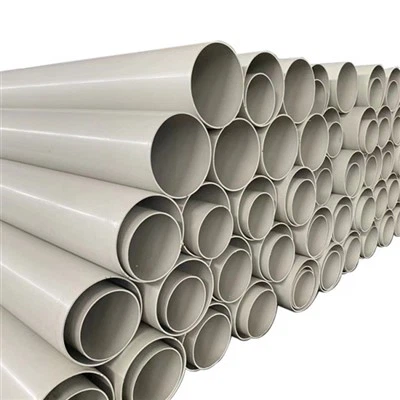
Hey there! As a PE pipe supplier, I get asked a lot about the difference between HDPE and LDPE pipes. So, I thought I'd write this blog to break it down for you.
First off, let's start with the basics. HDPE stands for High - Density Polyethylene, and LDPE stands for Low - Density Polyethylene. These are two types of plastic pipes that are widely used in various applications, and knowing the difference between them can help you pick the right one for your project.
Physical Properties
One of the most obvious differences between HDPE and LDPE pipes is their density. HDPE has a higher density, typically ranging from 0.941 to 0.965 g/cm³. This high density gives HDPE pipes a more rigid structure. They're less flexible compared to LDPE pipes, but they make up for it with their strength. You can think of HDPE pipes as the tough guys of the pipe world. They can withstand a lot of pressure and are less likely to deform under stress.
On the other hand, LDPE has a lower density, usually between 0.910 and 0.940 g/cm³. This lower density makes LDPE pipes more flexible. They can bend easily without cracking, which is great for applications where you need to navigate around obstacles or make curved installations. LDPE pipes are like the acrobats of the pipe world, able to twist and turn as needed.
Strength and Durability
When it comes to strength, HDPE pipes take the lead. Their high - density structure allows them to handle high - pressure situations. They're commonly used in water supply systems, sewer systems, and even in gas pipelines. HDPE pipes can resist damage from external forces, like being buried underground or being exposed to heavy machinery. They also have a long lifespan, often lasting up to 50 years or more.
LDPE pipes, while not as strong as HDPE pipes, still have their own advantages. They're more resistant to impact and abrasion than some other types of pipes. However, they're not suitable for high - pressure applications. LDPE pipes are often used in irrigation systems, where the pressure is relatively low, and flexibility is more important.
Chemical Resistance
Both HDPE and LDPE pipes have good chemical resistance. They can resist a wide range of chemicals, including acids, alkalis, and salts. This makes them suitable for use in industrial applications where they might come into contact with various chemicals.
However, HDPE pipes generally have better chemical resistance than LDPE pipes. Their high - density structure provides an extra layer of protection against chemical attacks. So, if you're working in an environment with harsh chemicals, HDPE pipes are a better choice.
Cost
Cost is always a factor when choosing pipes. Generally, LDPE pipes are cheaper than HDPE pipes. This is because the production process for LDPE is less complex, and the raw materials are less expensive. If you're on a tight budget and your project doesn't require high - strength pipes, LDPE pipes might be the way to go.


But if you need a pipe that can handle high pressure and has a long lifespan, the extra cost of HDPE pipes is usually worth it. In the long run, you'll save money on maintenance and replacement costs.
Applications
HDPE pipes are used in a wide variety of applications. They're commonly used in municipal water supply systems, where they can handle the high pressure of water flow. They're also used in sewer systems, as they can resist the corrosive effects of sewage. In addition, HDPE pipes are used in industrial applications, such as transporting chemicals and gases. You can check out our Pe Polyethylene Pipe for more information on our HDPE products.
LDPE pipes, on the other hand, are often used in applications where flexibility is key. They're popular in irrigation systems, where they can be easily laid out in the fields. They're also used in some packaging applications, such as for food and beverage containers. Our PE Coiled Pipe is a great example of an LDPE product that offers flexibility for various uses.
Another common application for LDPE pipes is in the construction of greenhouses. The flexibility of LDPE pipes allows them to be bent and shaped to fit the structure of the greenhouse. And if you're looking for a more aesthetically pleasing option, our White PE Pipe can be a great choice.
Installation
Installing HDPE and LDPE pipes is different due to their physical properties. HDPE pipes, being more rigid, often require special tools and techniques for installation. They need to be joined using methods like heat fusion, which creates a strong and leak - proof connection. This installation process requires some skill and experience, but it ensures a long - lasting and reliable pipe system.
LDPE pipes, on the other hand, are easier to install. Their flexibility allows them to be bent and connected using simpler methods, like solvent welding or mechanical fittings. This makes them a great option for DIY projects or small - scale installations.
Conclusion
In conclusion, the main differences between HDPE and LDPE pipes lie in their density, strength, flexibility, chemical resistance, cost, applications, and installation methods. HDPE pipes are strong, rigid, and suitable for high - pressure applications, while LDPE pipes are flexible, more affordable, and great for applications where flexibility is important.
If you're still not sure which type of pipe is right for your project, don't hesitate to contact us. We're here to help you make the best decision. Whether you need HDPE or LDPE pipes, we have a wide range of products to meet your needs. So, if you're in the market for PE pipes, reach out to us for a consultation and let's start a great project together!
References
- ASTM International. (2023). Standards for polyethylene pipes.
- Pipe Manufacturers Association. (2023). Guide to plastic pipes.