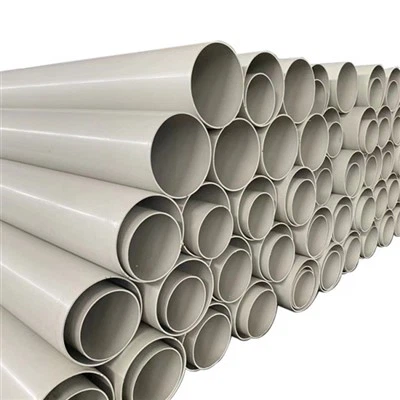
When it comes to selecting the right materials for hot water systems, there are numerous factors to consider, including durability, heat resistance, and chemical stability. One option that often comes under scrutiny is the use of FRPP (Fiberglass Reinforced Polypropylene) pipe fittings. As a supplier of FRPP pipe fittings, I am frequently asked whether these fittings are suitable for hot water systems. In this blog post, I will delve into the properties of FRPP pipe fittings, their performance in hot water environments, and the considerations you should keep in mind when making a decision.
Understanding FRPP Pipe Fittings
FRPP pipe fittings are made from polypropylene resin reinforced with fiberglass. This combination results in a material that offers several advantages over traditional pipe materials. Polypropylene is known for its excellent chemical resistance, which makes it resistant to a wide range of corrosive substances. The addition of fiberglass enhances the mechanical strength of the material, improving its resistance to pressure and impact.
One of the key features of FRPP pipe fittings is their lightweight nature. This makes them easy to handle and install, reducing labor costs and installation time. Additionally, FRPP pipe fittings are non-toxic and do not leach harmful substances into the water, making them suitable for use in potable water systems.
Heat Resistance of FRPP Pipe Fittings
The heat resistance of a material is a critical factor when considering its use in hot water systems. FRPP pipe fittings have a relatively high melting point, typically around 160 - 170°C (320 - 338°F). However, the continuous operating temperature for FRPP pipe fittings is usually recommended to be below 95°C (203°F).


At temperatures within this range, FRPP pipe fittings can maintain their structural integrity and performance. They are able to withstand the thermal expansion and contraction that occurs in hot water systems without significant deformation. This is important because any deformation can lead to leaks, which can cause damage to the system and surrounding areas.
Performance in Hot Water Systems
In hot water systems, the performance of FRPP pipe fittings is influenced by several factors, including the temperature of the water, the pressure within the system, and the duration of exposure to hot water.
- Temperature: As mentioned earlier, FRPP pipe fittings can handle hot water temperatures up to 95°C. However, it is important to note that prolonged exposure to high temperatures can gradually degrade the material. Therefore, it is recommended to keep the water temperature within the recommended range to ensure the long-term performance of the fittings.
- Pressure: FRPP pipe fittings are designed to withstand a certain amount of pressure. The pressure rating of the fittings depends on their size and design. It is crucial to select fittings with a pressure rating that is suitable for the specific hot water system. Exceeding the pressure rating can lead to pipe bursts or leaks.
- Duration of Exposure: Continuous exposure to hot water can cause the material to gradually lose its mechanical properties. However, if the system is properly designed and maintained, FRPP pipe fittings can provide reliable service for many years.
Advantages of Using FRPP Pipe Fittings in Hot Water Systems
There are several advantages to using FRPP pipe fittings in hot water systems:
- Corrosion Resistance: FRPP pipe fittings are highly resistant to corrosion, which is a common problem in hot water systems. Corrosion can lead to the formation of rust, scale, and other deposits, which can reduce the efficiency of the system and cause damage to the pipes and fittings.
- Chemical Resistance: In addition to corrosion resistance, FRPP pipe fittings are also resistant to a wide range of chemicals. This makes them suitable for use in hot water systems that may come into contact with various chemicals, such as cleaning agents or disinfectants.
- Low Thermal Conductivity: FRPP has a low thermal conductivity, which means that it can help to reduce heat loss in hot water systems. This can result in energy savings and lower operating costs.
- Easy Installation: The lightweight nature of FRPP pipe fittings makes them easy to install. They can be joined using various methods, such as hot melt welding or socket fusion, which provide a strong and leak-proof connection.
Considerations When Using FRPP Pipe Fittings in Hot Water Systems
While FRPP pipe fittings offer many advantages for hot water systems, there are also some considerations to keep in mind:
- Expansion and Contraction: Like all materials, FRPP pipe fittings expand and contract with changes in temperature. It is important to allow for sufficient expansion space in the system to prevent damage to the pipes and fittings.
- UV Resistance: FRPP pipe fittings are not UV resistant. If the pipes are exposed to sunlight, they may become brittle over time. Therefore, it is recommended to install the pipes in a shaded area or use UV-resistant coatings.
- Compatibility: When using FRPP pipe fittings in hot water systems, it is important to ensure that they are compatible with other components in the system, such as valves, pumps, and heaters. Incompatible materials can cause chemical reactions or mechanical failures.
Our FRPP Pipe Fittings Product Range
As a supplier of FRPP pipe fittings, we offer a wide range of products to meet the needs of different hot water systems. Our product range includes FRPP Backing Ring, FRPP Pipe Cap, and FRPP Hot Melt Flange, among others.
Our FRPP pipe fittings are manufactured using high-quality materials and advanced production techniques to ensure their performance and reliability. We also offer customization services to meet the specific requirements of our customers.
Conclusion
In conclusion, FRPP pipe fittings can be used for hot water systems, provided that the water temperature, pressure, and other operating conditions are within the recommended range. They offer several advantages, including corrosion resistance, chemical resistance, low thermal conductivity, and easy installation. However, it is important to consider the factors that may affect their performance, such as expansion and contraction, UV resistance, and compatibility with other components.
If you are considering using FRPP pipe fittings for your hot water system, we encourage you to contact us for more information. Our team of experts can help you select the right products for your specific needs and provide you with professional advice on installation and maintenance.
References
- ASTM D2672 - Standard Specification for Polypropylene (PP) Injection - Molded Fittings for Polypropylene (PP) Plastic Pipe.
- ISO 15494 - Plastics piping systems for industrial applications - Polypropylene (PP) with fibreglass reinforcement (PP - GR) - Components and specifications.