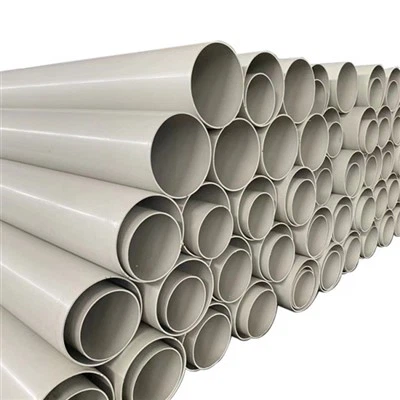
Hey there! As a supplier of PE pipes, I often get asked if these pipes can be used in the chemical industry. Well, let's dive right into it and explore this topic in detail.
What Are PE Pipes?
First things first, let's talk a bit about what PE pipes are. PE stands for polyethylene, which is a type of plastic. PE pipes are made from this polyethylene material and come in different shapes and sizes. You can check out our Pe Polyethylene Pipe page to get a better idea of what we offer. These pipes are known for their flexibility, durability, and corrosion - resistance. They're used in a wide range of applications, from water supply systems to gas distribution. But can they hold up in the harsh environment of the chemical industry?
Advantages of Using PE Pipes in the Chemical Industry
Chemical Resistance
One of the biggest selling points of PE pipes in the chemical industry is their chemical resistance. Polyethylene has a natural ability to withstand a variety of chemicals. It can resist acids, alkalis, and many solvents. This means that when transporting chemicals, the pipes won't corrode easily, which is a huge advantage. For example, in a chemical plant where they're dealing with different types of acids for manufacturing processes, PE pipes can be a reliable choice to transport these corrosive substances without the fear of the pipes breaking down.
Flexibility
PE pipes are incredibly flexible. This flexibility allows them to be easily installed in complex layouts. In a chemical plant, the piping systems can be quite intricate, with lots of bends and turns. The flexibility of PE pipes makes it possible to install them without having to use a large number of fittings. You can even check out our PE Coiled Pipe, which takes advantage of this flexibility. The coiled design allows for easy transportation and installation, especially in long - distance applications within the chemical industry.
Cost - Effectiveness
When it comes to cost, PE pipes are a great option. They're generally less expensive than some other types of pipes used in the chemical industry, like stainless - steel pipes. The lower cost of materials, combined with the relatively easy installation process, can result in significant cost savings for chemical companies. This is especially important for smaller chemical manufacturers or those looking to upgrade their existing piping systems on a budget.
Low Maintenance
PE pipes require very little maintenance. Unlike some metal pipes that may need regular painting or coating to prevent corrosion, PE pipes are self - protective. They don't rust, and their smooth inner surface reduces the likelihood of scale and sediment buildup. This means less downtime for maintenance and fewer resources spent on keeping the pipes in good condition, which is a major plus for chemical plants that need their piping systems to run continuously.
Limitations of Using PE Pipes in the Chemical Industry
Temperature Limitations
One of the main limitations of PE pipes is their temperature resistance. They can't handle extremely high temperatures. In a chemical process where high - temperature reactions are taking place, the heat can cause the PE pipes to soften or even melt. For instance, if a chemical reaction produces a lot of heat and the pipes are in direct contact with the hot chemicals, the PE pipes may not be able to withstand the temperature. So, in applications where high - temperature chemicals are involved, additional insulation or alternative piping materials may be required.
Resistance to Some Specific Chemicals
While PE pipes are resistant to many chemicals, there are still some substances that can cause problems. Some strong oxidizing agents, for example, can attack the polyethylene material over time. Chemicals like concentrated nitric acid or certain types of organic peroxides can degrade the pipes. Chemical companies need to carefully assess the specific chemicals they're dealing with before deciding to use PE pipes.
Applications of PE Pipes in the Chemical Industry
Chemical Storage and Transfer
In chemical storage facilities, PE pipes are commonly used to transfer chemicals from storage tanks to processing equipment or to other storage areas. Our White PE Pipe is often a popular choice for these applications because of its clean appearance and good chemical resistance. The smooth inner surface of the pipes ensures a smooth flow of chemicals, reducing the risk of blockages.
Wastewater Treatment in Chemical Plants
Chemical plants generate a lot of wastewater that needs to be treated before disposal. PE pipes are used in the wastewater treatment systems to transport the wastewater from different parts of the plant to the treatment facilities. Their corrosion - resistance is crucial in this application, as the wastewater can contain various chemicals and pollutants.
How to Ensure the Right Use of PE Pipes in the Chemical Industry
Chemical Compatibility Testing
Before installing PE pipes in a chemical application, it's essential to conduct chemical compatibility testing. This involves exposing small samples of the PE pipes to the specific chemicals that will be transported. By doing this, you can determine if the pipes will be able to withstand the chemicals over the long term.


Proper Installation
Proper installation is key to the performance of PE pipes in the chemical industry. The pipes should be installed according to the manufacturer's guidelines. This includes ensuring proper support for the pipes, especially in areas where there may be vibrations or movement. Incorrect installation can lead to leaks or premature failure of the pipes.
Conclusion
So, can PE pipes be used in the chemical industry? The answer is yes, with some considerations. Their chemical resistance, flexibility, cost - effectiveness, and low maintenance make them a viable option for many chemical applications. However, their temperature limitations and the need to be cautious about specific chemicals mean that careful planning and assessment are required.
If you're in the chemical industry and are considering using PE pipes for your operations, I'd love to have a chat with you. We can discuss your specific needs, and I can help you choose the right type of PE pipes for your application. Whether it's our Pe Polyethylene Pipe, White PE Pipe, or PE Coiled Pipe, we've got a solution that might work for you. Don't hesitate to reach out and start a conversation about your PE pipe requirements.
References
- "Plastics Piping Handbook", Third Edition, by Berndt Müller
- "Chemical Resistance of Plastics and Elastomers", Fourth Edition, by Charles A. Harper