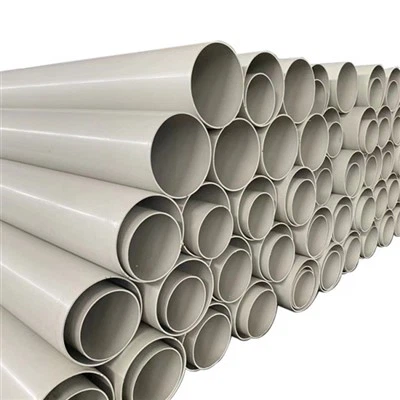
Connecting PE pipes might seem like a daunting task, but it's actually quite straightforward once you understand the basics. As a PE pipe supplier, I've seen firsthand how proper connection methods can make all the difference in the performance and longevity of a piping system. In this blog, I'll walk you through the steps and techniques for connecting PE pipes effectively.
Why PE Pipes?
Before we dive into the connection process, let's quickly touch on why PE pipes are such a popular choice. PE, or polyethylene, is a durable, flexible, and corrosion-resistant material. It can withstand a wide range of temperatures and environmental conditions, making it suitable for various applications, from water supply to gas distribution. You can check out our Pe Polyethylene Pipe for more details on the types and features of PE pipes.
Types of PE Pipe Connections
There are mainly two types of connections for PE pipes: heat fusion and mechanical connections. Each method has its own advantages and is suitable for different scenarios.
Heat Fusion
Heat fusion is the most common and reliable way to connect PE pipes. It creates a strong, leak-proof joint by melting the pipe ends and fusing them together. There are two main types of heat fusion: butt fusion and electrofusion.


- Butt Fusion: This method involves heating the ends of two pipes using a heating plate until they reach the right temperature. Then, the heated ends are pressed together to form a permanent bond. It's commonly used for large-diameter pipes and is ideal for long-distance pipelines.
- Electrofusion: Electrofusion uses an electric current to heat the fusion area. The pipe ends are inserted into a special electrofusion fitting, which contains an embedded heating element. When the current is applied, the fitting and the pipe ends melt and fuse together. This method is more precise and is often used for smaller-diameter pipes or in situations where space is limited.
Mechanical Connections
Mechanical connections use fittings and seals to join the pipes. They're quicker and easier to install compared to heat fusion, but they may not be as strong or long-lasting. Common types of mechanical connections include compression fittings, flange connections, and push-fit connectors.
Step-by-Step Guide to Heat Fusion
Now, let's take a closer look at the butt fusion process, as it's one of the most widely used methods.
Step 1: Prepare the Pipes
- Cut the Pipes: Use a sharp pipe cutter to cut the pipes to the desired length. Make sure the cut is clean and perpendicular to the pipe axis.
- Clean the Pipe Ends: Remove any dirt, debris, or oxidation from the pipe ends using a clean cloth or a wire brush. This ensures a good fusion bond.
- Mark the Fusion Depth: Use a marker to mark the depth to which the pipe will be inserted into the heating plate or fitting. This helps ensure proper alignment during the fusion process.
Step 2: Set Up the Fusion Equipment
- Preheat the Heating Plate: Turn on the heating plate and set it to the recommended temperature for the type of PE pipe you're using. The temperature typically ranges from 200°C to 230°C.
- Align the Pipes: Place the pipes in the fusion machine and align them carefully. Make sure the pipe ends are in contact with the heating plate and are centered.
Step 3: Heat the Pipe Ends
- Insert the Pipes into the Heating Plate: Once the heating plate reaches the desired temperature, insert the pipe ends into the heating plate and hold them in place for the recommended time. This time depends on the pipe diameter and the type of PE material.
- Monitor the Heating Process: Keep an eye on the heating process to ensure that the pipe ends are melting evenly. You should see a small bead of molten material forming around the edges of the pipe ends.
Step 4: Join the Pipes
- Remove the Pipes from the Heating Plate: After the recommended heating time, quickly remove the pipes from the heating plate and align them. Make sure the pipe ends are in contact and that there is no misalignment.
- Apply Pressure: Use the fusion machine to apply pressure to the pipe ends. This helps to ensure a strong bond between the pipes. The pressure should be maintained for the recommended cooling time.
Step 5: Cool the Joint
- Allow the Joint to Cool: After applying pressure, allow the joint to cool for the recommended time. This allows the molten material to solidify and form a strong bond. Do not move or disturb the joint during the cooling process.
Tips for Successful PE Pipe Connections
- Follow the Manufacturer's Instructions: Always follow the manufacturer's instructions for the specific type of PE pipe and connection method you're using. This ensures that the connection is made correctly and that the pipe system will perform as expected.
- Use the Right Tools and Equipment: Make sure you have the right tools and equipment for the job. This includes a pipe cutter, a heating plate, a fusion machine, and any other necessary fittings or seals.
- Inspect the Pipes and Fittings: Before making a connection, inspect the pipes and fittings for any damage or defects. If you find any issues, replace the damaged parts before proceeding.
- Train Your Installers: If you're hiring installers to connect your PE pipes, make sure they're properly trained and experienced in the specific connection method you're using. This helps to ensure that the connections are made correctly and that the pipe system will be reliable.
Applications of PE Pipes
PE pipes are used in a wide range of applications, including:
- Water Supply: PE pipes are commonly used for water supply systems, both for potable water and irrigation. They're resistant to corrosion and can withstand high pressures, making them a reliable choice for delivering water to homes and businesses.
- Gas Distribution: PE pipes are also used for gas distribution systems. They're lightweight, flexible, and easy to install, making them a popular choice for underground gas pipelines.
- Sewer and Drainage: PE pipes are used for sewer and drainage systems because they're resistant to chemicals and can handle a wide range of wastewater. They're also easy to install and maintain, making them a cost-effective solution for sewer and drainage projects.
Conclusion
Connecting PE pipes is an important part of any piping system. By understanding the different connection methods and following the proper procedures, you can ensure that your PE pipes are connected correctly and that your piping system will perform reliably for years to come. If you're in the market for high-quality PE pipes, we offer a wide range of options, including PE Coiled Pipe and White PE Pipe. If you have any questions or would like to discuss your specific needs, feel free to reach out to us for a consultation. We're here to help you find the best solutions for your piping projects.
References
- "Plastic Pipes Handbook" by V. K. Stokes
- "PE Pipe Installation Guide" by the Plastic Pipe Institute