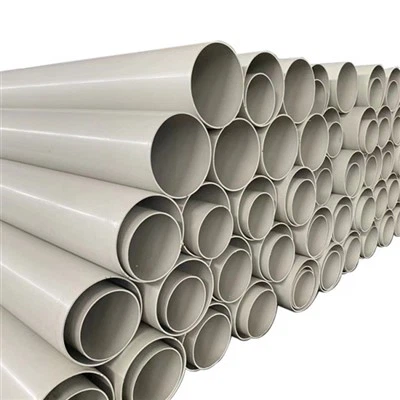
As a seasoned pipe fitting supplier, I'm delighted to share with you the detailed installation steps for a gate valve pipe fitting. Gate valves are essential components in various piping systems, used to control the flow of liquids and gases. Proper installation is crucial to ensure the valve functions effectively and the overall system operates smoothly.
Step 1: Preparation
Before you start the installation process, it's important to gather all the necessary tools and materials. You'll need a gate valve of the appropriate size and material for your application, pipe cutters or a saw for cutting the pipes, a pipe wrench or adjustable wrench for tightening the connections, and sealing materials such as Teflon tape or pipe dope.
Additionally, make sure you have a clear understanding of the layout of your piping system and the specific location where you'll be installing the gate valve. This will help you determine the correct orientation of the valve and ensure that it aligns properly with the pipes.
Step 2: Shut Off the Supply
Safety first! Before you begin any work on the piping system, you must shut off the supply of the fluid or gas. This will prevent any leaks or spills during the installation process. Locate the main shut-off valve for the system and turn it off. If you're working on a smaller section of the system, you may be able to use a local shut-off valve.
Step 3: Cut the Pipes
Once the supply is shut off, you can start cutting the pipes to the appropriate length. Use a pipe cutter or a saw to make a clean, straight cut. Make sure the cut is perpendicular to the axis of the pipe to ensure a proper fit with the gate valve.
After cutting the pipes, use a deburring tool to remove any burrs or rough edges from the inside and outside of the cut ends. This will help prevent leaks and ensure a smooth flow of fluid through the system.
Step 4: Prepare the Pipe Ends
Before connecting the gate valve to the pipes, you need to prepare the pipe ends. If you're using threaded connections, you'll need to apply Teflon tape or pipe dope to the male threads of the pipe. Wrap the tape around the threads in a clockwise direction, making sure to cover the entire length of the threads. For pipe dope, apply a thin layer to the threads using a brush or your finger.
If you're using socket or butt welding connections, you'll need to clean the pipe ends and the valve ports thoroughly to remove any dirt, grease, or oxidation. This will ensure a strong and reliable weld.
Step 5: Install the Gate Valve
Now it's time to install the gate valve. Carefully align the valve with the pipes and insert the pipe ends into the valve ports. If you're using threaded connections, hand-tighten the connections first, and then use a pipe wrench or adjustable wrench to tighten them further. Make sure not to over-tighten the connections, as this can damage the threads or cause the valve to leak.
If you're using socket or butt welding connections, follow the manufacturer's instructions for welding the valve to the pipes. Make sure to use the appropriate welding equipment and techniques to ensure a strong and leak-free weld.
Step 6: Check for Leaks
Once the gate valve is installed, it's important to check for leaks. Turn on the supply of the fluid or gas slowly and observe the connections for any signs of leakage. If you notice any leaks, tighten the connections further or apply additional sealing material as needed.
Step 7: Test the Valve
After checking for leaks, test the gate valve to make sure it functions properly. Open and close the valve several times to ensure that it moves smoothly and fully opens and closes. Check for any abnormal noises or resistance during operation.
Step 8: Finalize the Installation
Once the gate valve is installed and tested, you can finalize the installation by securing the pipes and valve in place. Use pipe clamps or brackets to hold the pipes in position and prevent them from moving or vibrating.


In addition to gate valves, we also offer a wide range of other pipe fittings to meet your specific needs. For example, you may be interested in our FRPP Loose Joint, which provides a flexible and easy-to-install connection for your piping system. Our PVDF Straight Fitting is another high-quality option, known for its excellent chemical resistance and durability. And if you're looking for a threaded connection, our FRPP Threaded Joint is a reliable choice.
If you're in the market for pipe fittings, including gate valves and other products, I invite you to contact us for a detailed discussion. We have a team of experts who can help you choose the right products for your application and provide you with professional installation guidance. Whether you're working on a small residential project or a large industrial installation, we're here to support your needs.
References
- "Pipe Fitting Handbook".
- Manufacturer's instructions for gate valves and related pipe fittings.