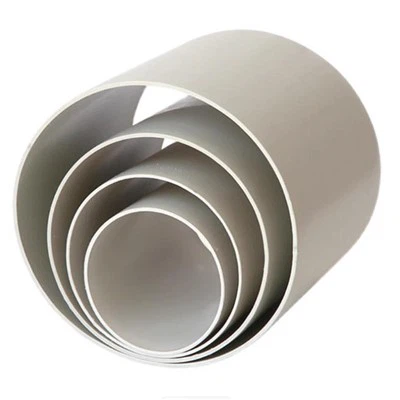
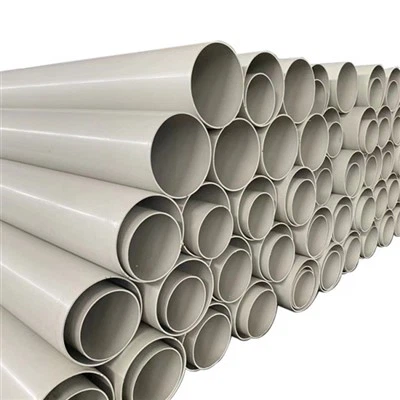
MPP Pipe (Modified Polypropylene)
MPP pipes are made from modified polypropylene (PP) raw materials. They offer excellent performance such as high temperature resistance, strong external pressure resistance, and good electrical insulation. They are mainly used for cable conduits in high-voltage power transmission systems above 10 kV.
Advantages of MPP Pipes
Can operate for up to 50 years in ambient temperatures ranging from –5°C to 70°C
High strength and excellent moisture resistance
Easy cable pulling and simple installation
Cost-effective construction
High bending modulus: 900–1200 MPa
Tensile strength: above 20 MPa
Heat distortion temperature: up to 120°C
Summary
Due to these properties, MPP pipes are widely used as protective conduits for power cables and communication cables, especially in demanding environments.
PP Pipe (Polypropylene Pipe)
PP pipes are made from polypropylene, a general-purpose thermoplastic, similar to polyethylene (PE), polyvinyl chloride (PVC), and polystyrene (PS).
Types of Polypropylene
Depending on molecular structure, polypropylene can be classified into:
iPP (Isotactic Polypropylene) – most common
aPP (Atactic Polypropylene)
sPP (Syndiotactic Polypropylene)
Common Types of PP Pipes
PP-B (Block Copolymer Polypropylene)
PP-C (Modified Copolymer Polypropylene)
PP-R (Random Copolymer Polypropylene, also called Type 3 PP)
Advantages of PP Pipes
Non-toxic and hygienic
High temperature resistance
Recyclable and environmentally friendly
Lightweight and cost-effective
Widely used in indoor hot and cold water supply systems and heating systems
Performance Characteristics
Corrosion Resistance
Can withstand high concentrations of acids and alkalis with a pH range of 1–14
Wear Resistance & No Scaling
Smooth inner walls reduce flow resistance and prevent scaling
Noise Reduction
Excellent sound insulation reduces vibration and noise from fluid flow
Freeze Resistance
Good elasticity prevents cracking due to freezing expansion
Low Thermal Conductivity
Reduces condensation and heat loss
Easy Installation
Lightweight, easy to handle, and weldable
Long Service Life
Up to 50 years under normal conditions
Disadvantages of PP Compared to MPP
More brittle in comparison
Lower bending modulus and tensile strength
Lower heat distortion temperature (up to about 100°C)
Less suitable for high-pressure or high-voltage applications
Key Differences Summary
| Feature | MPP Pipe | PP Pipe |
|---|---|---|
| Material | Modified PP | Standard PP |
| Strength | Higher | Lower |
| Flexural Modulus | 900–1200 MPa | Lower |
| Heat Resistance | Up to 120°C | Up to 100°C |
| Application | Power & communication cable protection | Water supply & heating systems |
| Durability | Excellent | Good |
Conclusion
MPP pipes are ideal for electrical and infrastructure applications, especially where high strength, heat resistance, and insulation are required.
PP pipes are more suitable for domestic water systems, offering safety, hygiene, and cost efficiency.