Hey there! As a PVDF pipe supplier, I've seen firsthand how temperature changes can have a real impact on the dimensions of PVDF pipes. In this blog, I'm gonna break down the science behind it and share some insights that'll help you understand how to deal with these changes in your projects.
Understanding PVDF Pipes
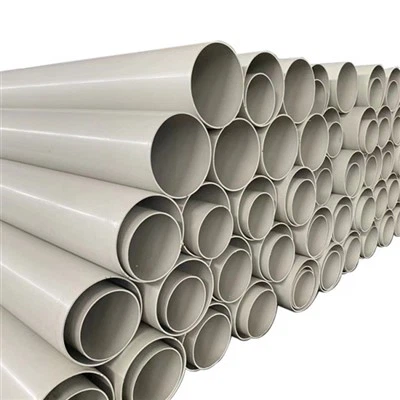
First off, let's talk a bit about PVDF pipes. PVDF, or polyvinylidene fluoride, is a high-performance thermoplastic known for its excellent chemical resistance, mechanical strength, and thermal stability. These pipes are widely used in various industries, including chemical processing, semiconductor manufacturing, and water treatment. They're great because they can handle harsh chemicals and extreme conditions, making them a go-to choice for many applications. You can learn more about PVDF pipes on our PVDF Pipeline page.
The Basics of Thermal Expansion
Now, let's get into the nitty-gritty of how temperature affects PVDF pipes. Like most materials, PVDF expands when heated and contracts when cooled. This is called thermal expansion, and it's a fundamental property of matter. When the temperature of a PVDF pipe increases, the molecules in the material start to move more vigorously, causing the pipe to expand in all directions. Conversely, when the temperature drops, the molecules slow down, and the pipe contracts.
The amount of expansion or contraction depends on a few factors, including the initial dimensions of the pipe, the temperature change, and the coefficient of thermal expansion (CTE) of PVDF. The CTE is a measure of how much a material expands or contracts per unit length per degree of temperature change. For PVDF, the CTE typically ranges from about 70 to 120 x 10^-6 /°C, which means that for every degree Celsius increase in temperature, a PVDF pipe will expand by about 70 to 120 millionths of its original length.
Effects of Temperature Change on PVDF Pipe Dimensions
So, what does all this mean for PVDF pipes in real-world applications? Well, the effects of temperature change on pipe dimensions can be significant, especially in systems where precise dimensions are critical. Here are some of the main ways temperature changes can impact PVDF pipes:
1. Length Changes
One of the most obvious effects of temperature change is a change in the length of the pipe. As the temperature increases, the pipe will expand in length, and as the temperature decreases, it will contract. This can be a problem in applications where the pipe needs to fit precisely between two points or where there are strict length tolerances. For example, in a chemical processing plant, a small change in the length of a PVDF pipe could cause leaks or misalignments, leading to costly downtime and repairs.
2. Diameter Changes
In addition to length changes, temperature changes can also cause the diameter of the pipe to change. When a PVDF pipe expands, its diameter will increase slightly, and when it contracts, the diameter will decrease. This can affect the flow rate and pressure in the pipe, as well as the fit of any connectors or fittings. In some cases, a significant change in diameter could even cause the pipe to burst or collapse under pressure.
3. Stress and Strain
Temperature changes can also create stress and strain within the PVDF pipe. When the pipe expands or contracts, it is restricted by its surroundings, such as the pipe supports or the connected equipment. This restriction can cause the pipe to bend, twist, or deform, leading to internal stress and strain. Over time, these stresses and strains can weaken the pipe and increase the risk of failure.


Managing Temperature-Related Dimension Changes
Given the potential impact of temperature changes on PVDF pipe dimensions, it's important to take steps to manage these changes and minimize their effects. Here are some strategies that can help:
1. Design for Thermal Expansion
When designing a PVDF pipe system, it's important to consider the potential for thermal expansion and contraction. This may involve leaving some extra space between pipes and equipment to allow for expansion, using flexible connectors or expansion joints to absorb the movement, or installing pipe supports that can accommodate the changes in length and diameter. By designing the system to account for thermal expansion, you can reduce the risk of stress and strain on the pipes and ensure a more reliable and long-lasting installation.
2. Monitor Temperature
Monitoring the temperature of the PVDF pipes and the surrounding environment is essential for detecting any potential issues early on. This can be done using temperature sensors or thermocouples installed at key points in the system. By regularly monitoring the temperature, you can identify any sudden or significant changes that could indicate a problem and take appropriate action to address it.
3. Select the Right PVDF Grade
Not all PVDF grades are created equal when it comes to thermal expansion. Some grades of PVDF have a lower CTE than others, which means they will expand and contract less in response to temperature changes. When selecting PVDF pipes for your application, it's important to choose a grade that is suitable for the expected temperature range and the specific requirements of your project.
4. Provide Adequate Insulation
Insulating the PVDF pipes can help to reduce the impact of temperature changes by minimizing the heat transfer between the pipes and the surrounding environment. This can help to keep the temperature of the pipes more stable and reduce the amount of expansion and contraction. Insulation can also help to improve the energy efficiency of the system by reducing heat loss or gain.
Conclusion
In conclusion, temperature changes can have a significant impact on the dimensions of PVDF pipes. Understanding the science behind thermal expansion and taking steps to manage these changes is essential for ensuring the reliability and performance of PVDF pipe systems. As a PVDF pipe supplier, I'm here to help you navigate these challenges and find the right solutions for your projects. If you have any questions or need more information about PVDF pipes or how to deal with temperature-related dimension changes, please don't hesitate to reach out. We're always happy to have a chat and discuss your specific needs. Let's work together to make your projects a success!
References
- "Polyvinylidene Fluoride (PVDF) - Properties, Applications, and Processing." Plastics International.
- "Thermal Expansion of Polymers." Polymer Science Learning Center.
- "Design Considerations for PVDF Pipe Systems." Chemical Processing Magazine.