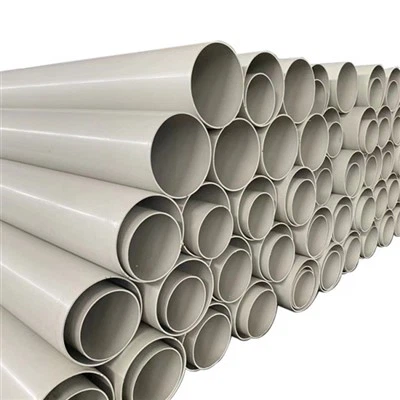
Hey there! As a supplier of PP Storage Tanks, I often get asked this question: "Can a PP storage tank be used outdoors?" Well, let's dive right into it and find out.
First off, let's talk about what PP is. PP stands for polypropylene, which is a thermoplastic polymer. It's known for its durability, chemical resistance, and relatively low cost. These properties make PP a popular choice for storage tanks.
Advantages of Using PP Storage Tanks Outdoors
One of the biggest advantages of using a PP storage tank outdoors is its resistance to corrosion. Unlike metal tanks, PP tanks won't rust or corrode when exposed to the elements. This means they can last for a long time, even in harsh outdoor environments.
PP is also resistant to a wide range of chemicals. Whether you're storing water, acids, or other chemicals, a PP storage tank can handle it. This makes it a versatile option for various industries, such as agriculture, chemical processing, and water treatment.
Another benefit is its lightweight nature. PP tanks are much lighter than their metal counterparts, which makes them easier to install and move around. This is especially useful if you need to relocate the tank or if you're working in a remote area.


Challenges of Using PP Storage Tanks Outdoors
While PP storage tanks have many advantages, there are also some challenges to consider when using them outdoors. One of the main concerns is UV exposure. Prolonged exposure to sunlight can cause the PP to degrade over time, leading to a loss of strength and durability.
To combat this, many PP storage tanks are treated with UV stabilizers. These stabilizers help to protect the tank from the harmful effects of UV radiation, extending its lifespan. However, it's still important to choose a tank that is specifically designed for outdoor use and to follow the manufacturer's recommendations for maintenance.
Another challenge is temperature fluctuations. PP is a thermoplastic, which means it can expand and contract with changes in temperature. In extreme temperatures, this can cause stress on the tank, potentially leading to cracks or leaks. To minimize this risk, it's important to choose a tank that is designed to withstand the temperature range in your area.
How to Choose the Right PP Storage Tank for Outdoor Use
When choosing a PP storage tank for outdoor use, there are several factors to consider. First, you need to determine the size and capacity of the tank. This will depend on your specific needs, such as the amount of liquid you need to store and the available space.
You also need to consider the type of liquid you'll be storing. Different chemicals require different levels of chemical resistance, so it's important to choose a tank that is compatible with the liquid you'll be using.
In addition, you should look for a tank that is designed for outdoor use. This may include features such as UV stabilizers, reinforced walls, and a durable coating. You should also choose a tank that is easy to install and maintain.
Our PP Storage Tanks
At our company, we offer a wide range of PP Storage Tanks that are specifically designed for outdoor use. Our tanks are made from high-quality PP material and are treated with UV stabilizers to ensure long-lasting durability.
We also offer PPH Water Tanks and PP Spray Pipes to meet your specific needs. Our products are available in a variety of sizes and capacities, and we can also customize them to fit your requirements.
Conclusion
So, can a PP storage tank be used outdoors? The answer is yes, but it's important to choose the right tank and take the necessary precautions to ensure its longevity. By considering the advantages and challenges of using a PP storage tank outdoors, and by choosing a high-quality tank that is designed for outdoor use, you can enjoy the benefits of a durable and reliable storage solution.
If you're interested in learning more about our PP storage tanks or if you have any questions, please don't hesitate to contact us. We'd be happy to help you find the right solution for your needs.
References
- "Polypropylene: Properties, Processing, and Applications" by John A. Brydson
- "Plastics in Construction" by John M. Margolis